
Internet Resolves to Abandon Fact-Checking After Viral Video Debacle
In Allegiance to Erroneous Comradery, Misinformation Triumphs Again
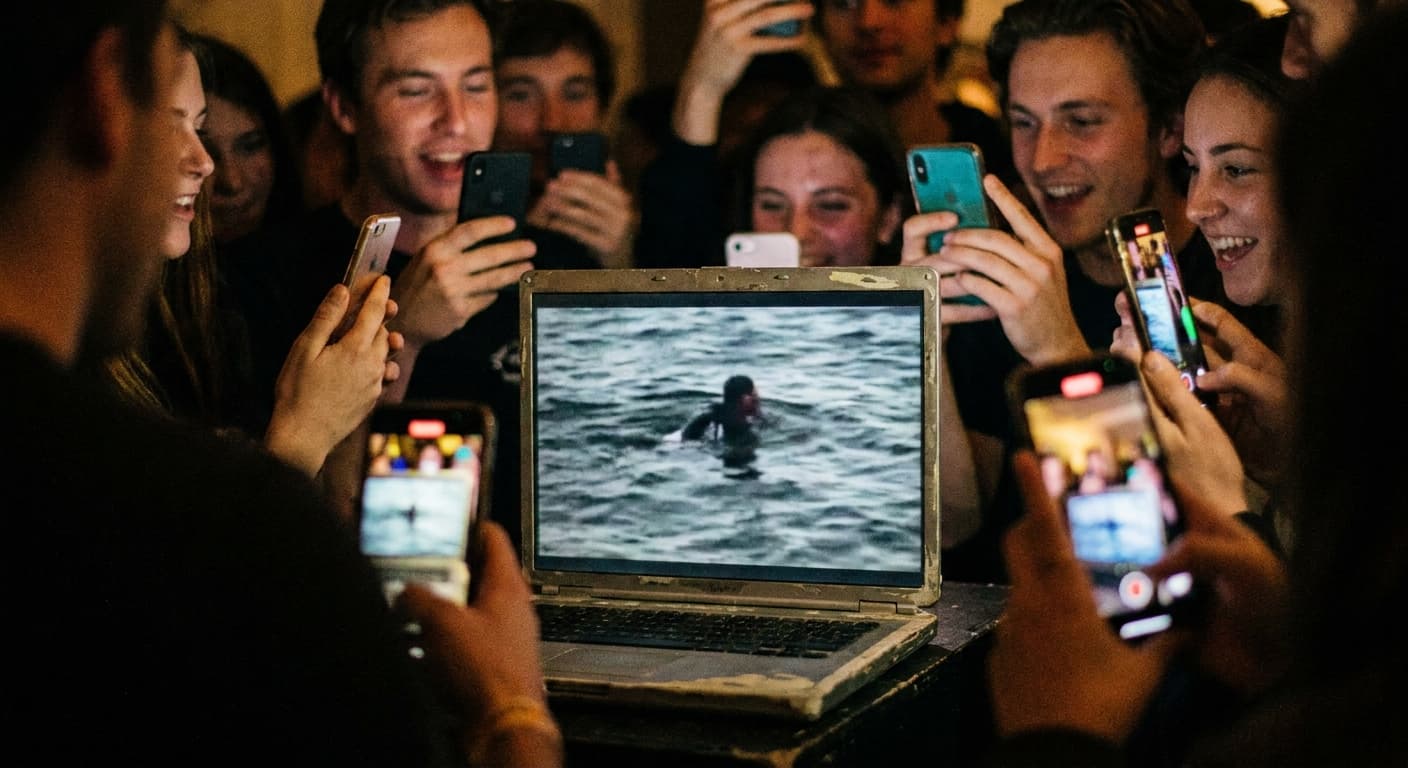
"Who needs accuracy when we have virality?" pondered one popular influencer rhetorically.
In a development that has surprised virtually no one, the vast expanse of internet users has collectively decided to relinquish the cumbersome task of verifying facts. This decision follows the recent rediscovery of a viral video purporting to show a man bravely swimming to Ceuta, which, upon closer inspection, was found to be several years old.
The video, with its grainy footage and dubious timestamps, captured the imagination of millions before a small cadre of pesky fact-checkers revealed it as vintage internet ephemera. The disillusionment that followed their revelation was palpable; as though the entire online community had simultaneously realized that Santa Claus might not shimmy down chimneys after all.
Leading internet personalities, who often serve as the beacons of wisdom in these turbulent times, took to social media to formally announce their withdrawal from truth-seeking pursuits. "Who needs accuracy when we have virality?" pondered one popular influencer rhetorically to their millions of followers. The post garnered widespread support, accumulating more likes than the population of a small nation.
In an unprecedented show of unity, forums and social media platforms have embraced the new norm with open arms. "It’s simpler this way," confessed an unverified source on a notoriously unreliable message board. "We can all just enjoy the spectacle without the pressure to know anything for sure."
Ironically, experts in media literacy pointed out, the decision to forgo verification processes may actually streamline online conversations. "Now we can finally concentrate on what's important," claimed a professor whose credentials were unverifiable at the time of publication, "like debating whether mermaids are mammals or fish!"
While critics might scoff, the movement seems to have picked up an unstoppable momentum, transforming any semblance of reliable information into a quaint relic of the past. Wikimedia Foundation is considering renaming their flagship database to "Truthiebe,” promising a more thrilling but wholly unreliable repository of human knowledge.
Thus, as the invisible hand of the internet adopts this laissez-faire attitude towards truth, one thing remains certain: in an age where misinformation has become the currency of affection, the intricate dance between fact and fiction continues—to unbridled acclaim.
Break a Story
Write something reasonable.
Desk Notes: Deadpan Serious · Clearly Satirical · Column
Share or break your own story.