
Iran Stuns with Missile Range, Concerns Grow Over Antique Navigation Systems
Pentagon Grudgingly Admired Missile Range, Worried Aim Might Be on Vacation
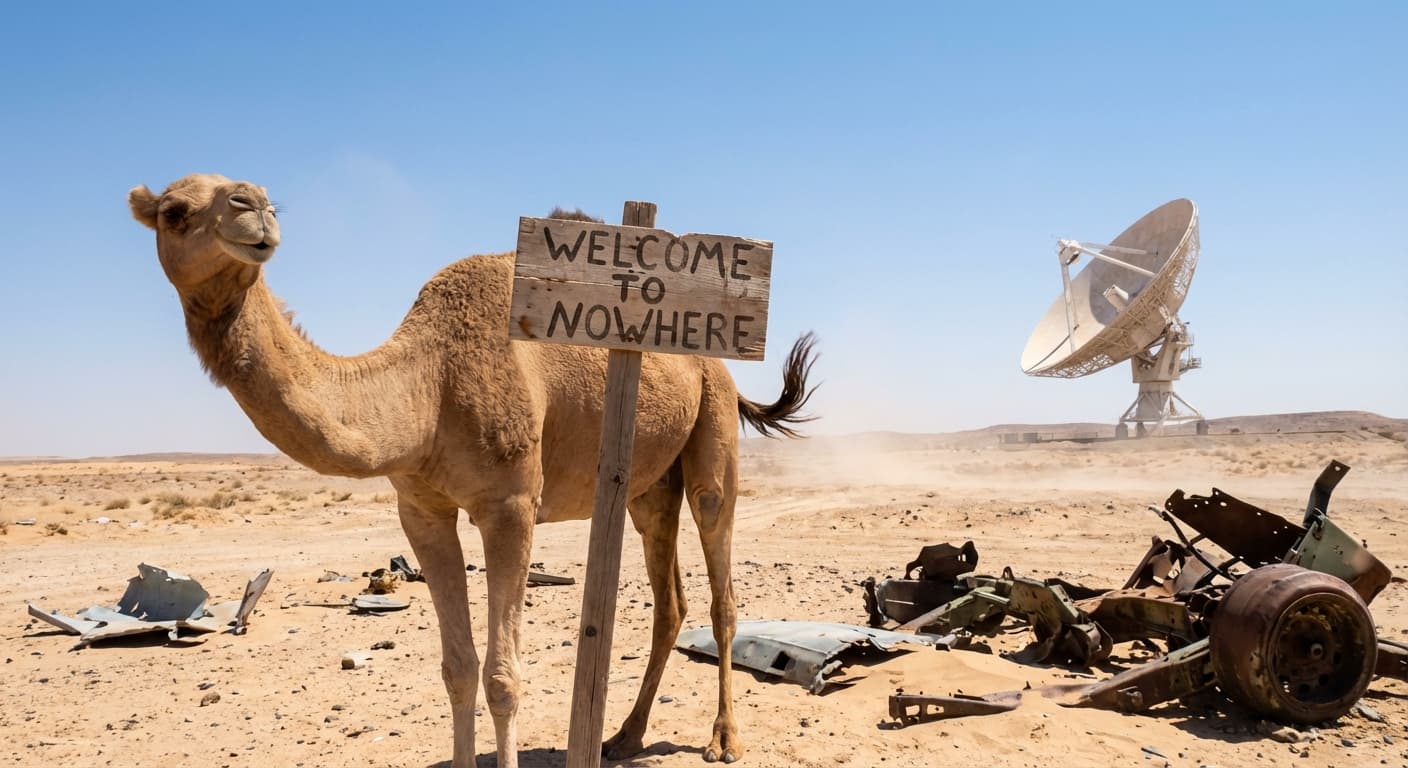
"We've always admired innovative spirit," noted a bemused Pentagon official, "but to finally see a country using cutting-edge technology paired with early 2000s MapQuest directions is truly something."
In an unexpected show of both technological prowess and navigational nostalgia, Iran managed to launch a series of missiles towards a joint US-UK military base over 2000 miles away in the Indian Ocean, marking a new chapter in modern warfare marked by cutting-edge distance and questionable accuracy.
According to a spokesperson from the Pentagon, while the range of the missiles was "wildly impressive," their fitness for purpose was immediately called into question when the missiles landed in a dry riverbed far removed from any military installations. Reports from ground observers noted that a nearby herd of goats was mildly inconvenienced and seriously unimpressed.
"We've always admired innovative spirit," noted a bemused Pentagon official. "But to finally see a country using cutting-edge technology paired with early 2000s MapQuest directions is truly something. We suspected nobody still uses MapQuest except maybe that one uncle who refuses to get a smartphone. Now we know it's a state strategy in Iran."
International analysts are scratching their heads over Iran's strategic choices, pointing out that the combination of missile technology and retro navigation systems may leave room for forward-thinking adversaries to launch countermeasures based solely on the proximity of uncharted tourist attractions on outdated maps. "Next time they might hit a historical landmark," speculated one strategist. "That should at least guarantee some interesting travel brochures."
Local rumors suggest that Iranian officials are steadfast in keeping the old navigation system, apparently for its "nostalgic value" and "vintage charm." Inside sources reveal that the messaging software still showcases advertisements for Polaroid cameras and VHS players, suggesting a holistic approach to preserving antiquities.
Meanwhile, stock markets in companies producing compass technology and Rand McNally roadmaps have seen inexplicable upticks, speculated to be driven by a renewed interest in "reliable" navigation.
The international community has yet to react officially, though unconfirmed reports suggest that a multinational coalition may offer Iran a free upgrade to virtual maps from this century, in the hopes of avoiding future misplaced exploratory missions.
Clearly, the balance of power in the Indian Ocean remains unchanged, though now slightly skewed by comedic overtones that threaten to undermine the air of seriousness in global military strategy.
Break a Story
Write something reasonable.
Desk Notes: Deadpan Serious · Clearly Satirical · Column
Share or break your own story.