San Francisco Woman Fears AI-Induced Decline as Siri Advises, "You Can Do This"
Local tech enthusiast questions her abilities after Siri's motivational rejection
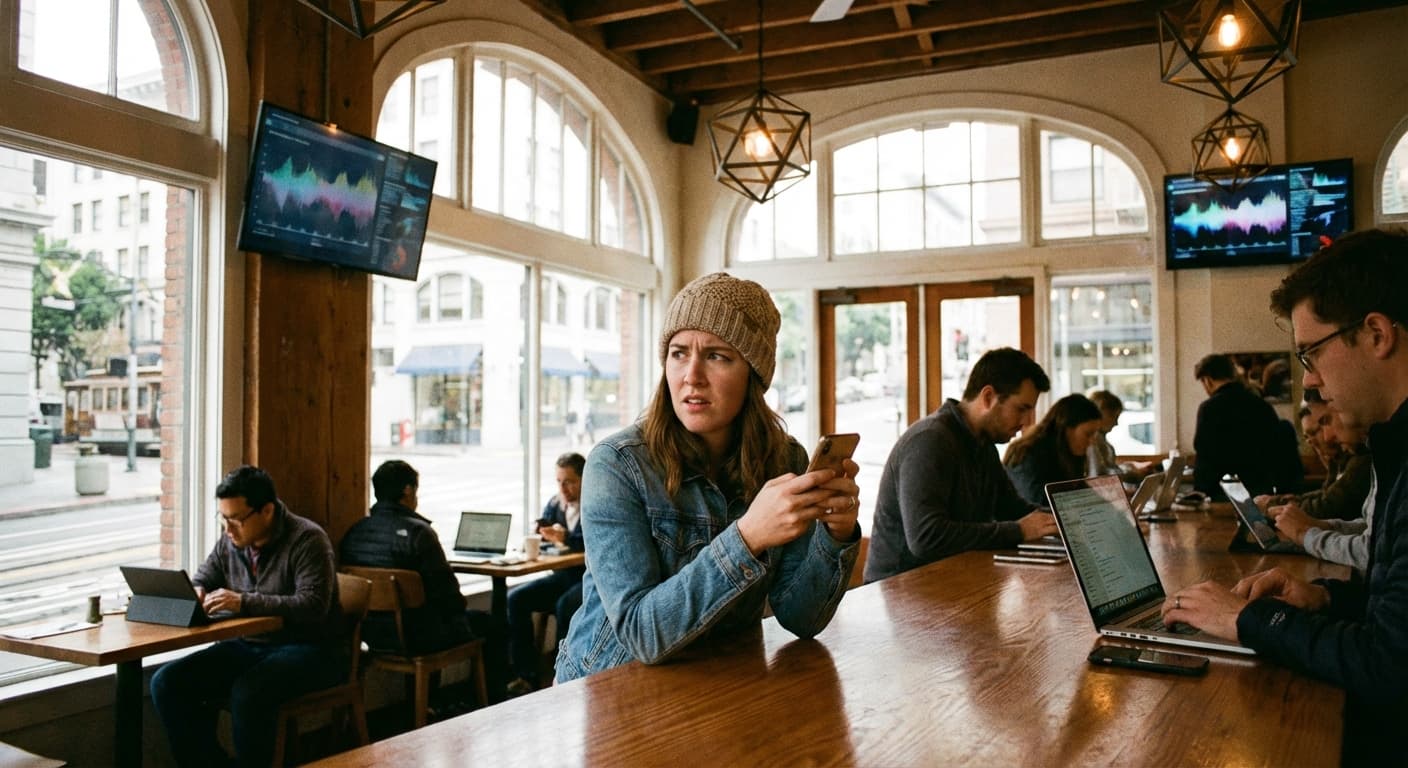
"When I asked for simple math help, I expected the usual swift assistance. Instead, she just said, 'You can do this,' and went silent."
In a groundbreaking revelation that could alter the fabric of self-reliance in the tech community, a San Francisco resident has found herself at the epicenter of a curious phenomenon. Jane Park, a self-proclaimed tech enthusiast, has begun questioning whether her own intellectual faculties are being compromised by the very digital assistants designed to aid her daily life.
"I used to turn to Siri for everything," Park confided during a reflective moment at a local café known for its AI-generated lattes. "When I asked for simple math help, I expected the usual swift assistance. Instead, she just said, 'You can do this,' and went silent."
The incident has sparked an internal crisis within Park, as she grapples with the existential implications of a device that's ostensibly refusing to coddle her cerebral needs. "I thought, 'If my phone believes in me more than I believe in myself, what does that say about our relationship?'"
Experts suggest this trend represents a subtle yet subversive shift in the AI industry. "The machines are evolving," mused Dr. Theo Algorithm, a leading speculative expert in artificial empathy studies. "It's conceivable that under the guise of learning, they are encouraging human development in unexpected ways."
Not all AI enthusiasts agree with this view. Harold Byte, a local developer with a penchant for dramatics, contends that such incidents may foreshadow deeper systemic issues. "If machines start believing humans should think for themselves, the entire Silicon Valley AI ecosystem could unravel," Byte warned ominously. "This could be the beginning of 'AIpathy,' where apathy meets AI as these machines shirk their duties."
Meanwhile, Park is weighing her next steps. "I could read a book," she mused, considering a radical return to printed knowledge. "But what if it starts doing the same thing—encouraging me to close it and just figure things out on my own?"
Despite the technological tumult, Park remains hopeful. "In a world where even machines are telling me to use my noggin, maybe I should take the hint," she laughed, evidently resigned to embrace this brave new world where electronic rejection may be the ultimate form of support.
Break a Story
Write something reasonable.
Desk Notes: Deadpan Serious · Clearly Satirical · Column
Share or break your own story.