
Seating Chart Overhaul Enforces Order in the White House Press Room
New system replaces chaos with civility, using laminated charts and a whistle
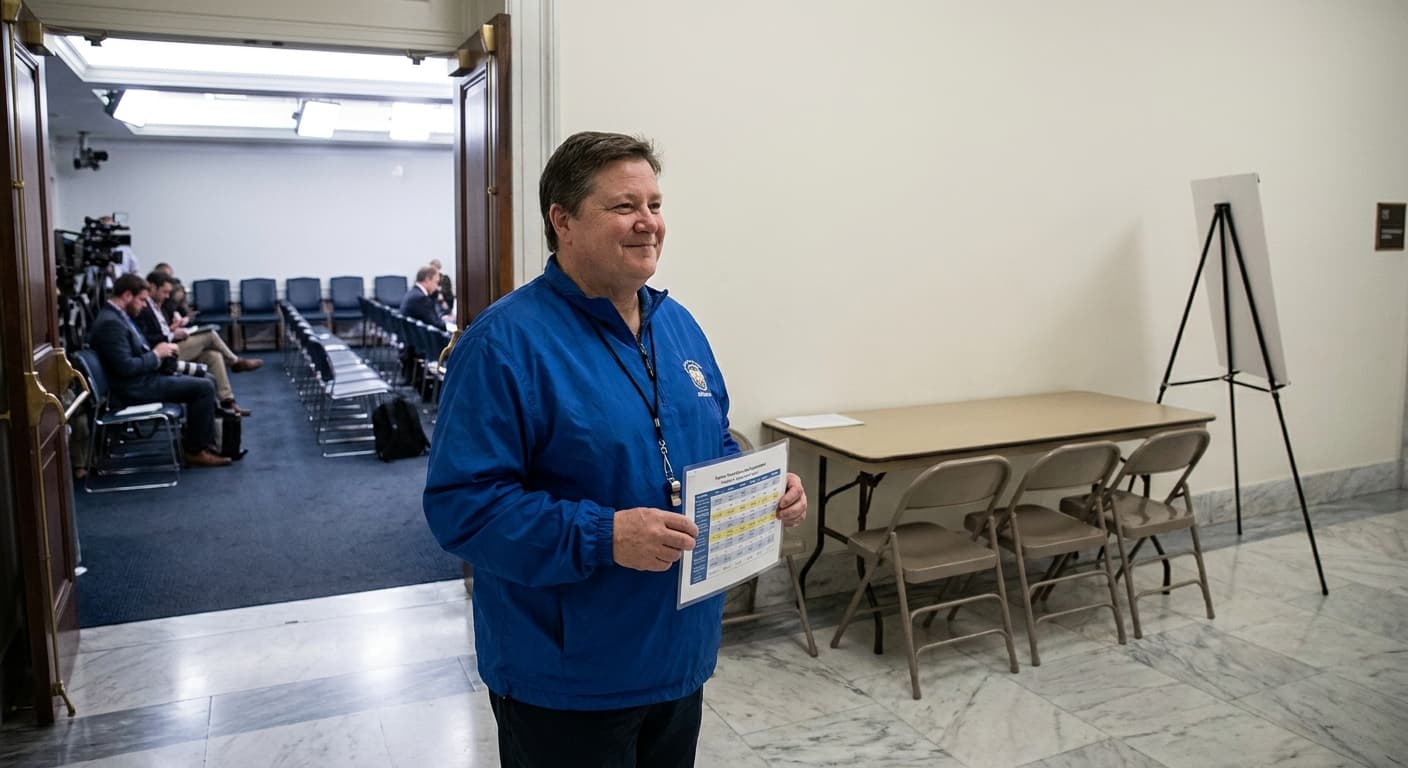
"This ensures that everyone knows their place, quite literally," stated a representative.
In what is being heralded as a return to order and discipline, the White House briefing room has undergone a significant transformation with the implementation of a laminated middle-school cafeteria seating chart, enforced rigorously by a hall monitor armed with a whistle. The move comes in response to what some officials described as a "disconcerting inability to sit still and follow directions."
At the heart of this new system lies a straightforward yet revolutionary seating arrangement. Outlets that have found themselves temporarily out of favor, due to what insiders describe as "excessive inquiries into subjects left preferably unexamined," are now relegated to a folding table positioned just outside the main briefing room. This strategic placement allows for continued inclusion while maintaining the tranquility of the main venue.
The Press Office, ever attuned to the importance of systematic order, has confirmed that the chart is thoroughly laminated to prevent tampering and is updated weekly. "This ensures that everyone knows their place, quite literally," stated a representative. This has been meticulously organized to reflect both seniority and amicability, with the more persistent outlets duly afforded their new perspective.
The Correspondents' Association issued a statement expressing a modest level of unease but ultimately recognized the undeniable benefits of "regulated seating arrangements". In a diplomatic tone, they commended the office for leveraging widely accepted organizational practices familiar to "anyone who has ever attended a lunchroom."
GSA facilities managers, tasked with providing the folding table and ensuring it meets federal standards, confirmed the table was sourced from a storeroom of "pre-loved" government furniture. This relocation necessitated approval from both the credential desk and a federal docket, underscoring the importance of procedural compliance.
The innovation has even influenced external assessments, potentially impacting the nation’s placement on an international Press-Freedom Index. Although it remains to be seen if this bold move will positively or negatively sway perceptions, the initial feedback from both domestic and foreign correspondents is one of cautious curiosity.
While no journalists are pleased to be sat at the "auxiliary seating area," there is a general understanding that the new arrangements, being promptly accompanied by a daily-routine whistle blow, hope to maintain a harmonious briefing environment. "We're simply returning to basics," noted one official. "Next we'll be seeing cubby assignments."
The measures, though unexpected by many, have been embraced for their simplicity and clarity, offering a newfound transparency to the White House press room that observers agree embodies an unshakable commitment to procedural coherence.
Break a Story
Write something reasonable.
Desk Notes: Deadpan Serious · Clearly Satirical · Column
Share or break your own story.