
Trump Announces Breakthrough Deal for US-made iPhone Chips: Chip Immediately Demands Tariff Exemption
A chip with a taste for the artisanal shuns domestic enterprise for a global flair
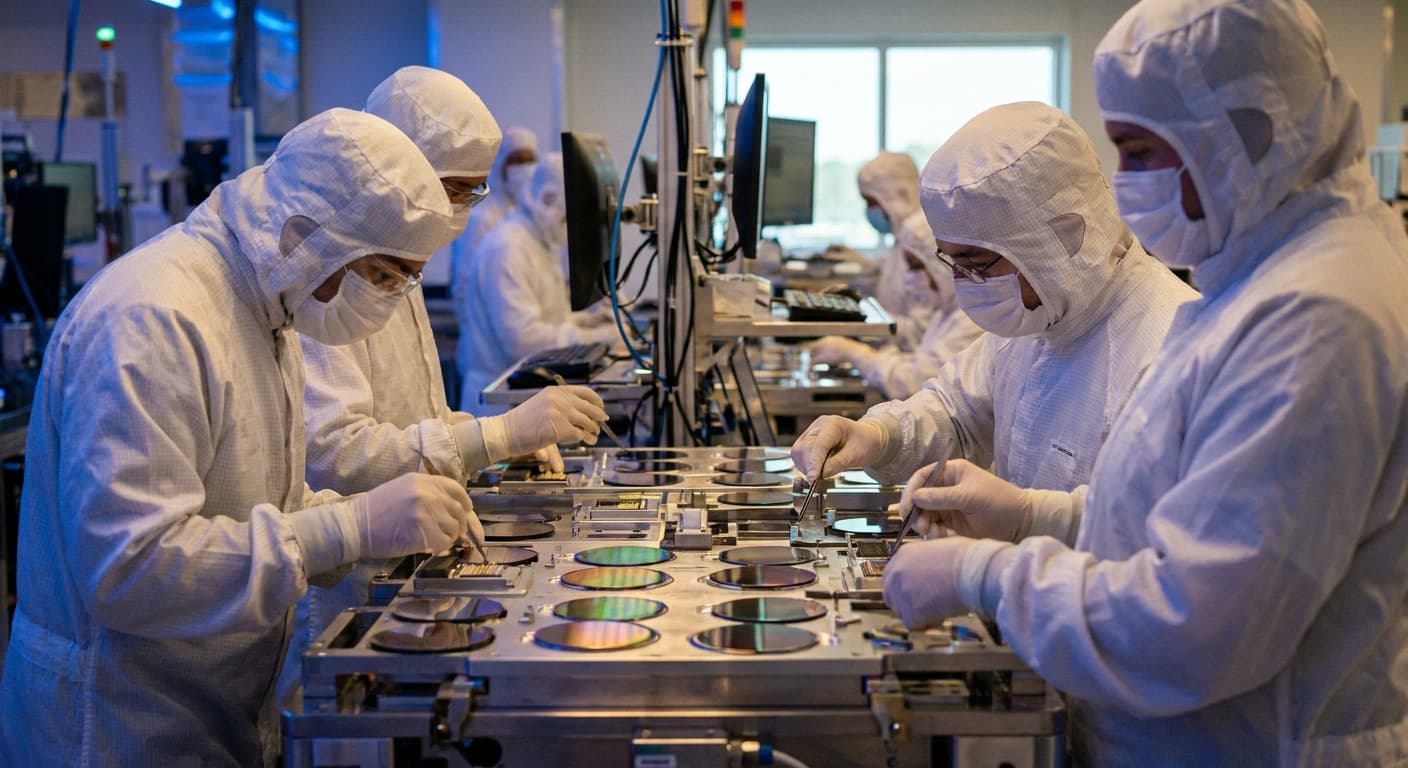
"It’s a beautiful thing, when even microchips demand their freedom."
In a surprising turn of events that blurs the line between international diplomacy and high-tech theatre, former President Donald Trump has declared a monumental partnership between Intel and Apple to produce iPhone chips on American soil. The announcement, made in the typically low-key setting of a rally, has sent ripples through the tech world and beyond.
Eager to champion this deal as a victory for American manufacturing, Trump hailed the agreement as a critical step toward reclaiming the technological high ground. "We love good, American-made tech," he proclaimed, raising a gleaming iPhone aloft. "And we’re going to have the best, most beautiful chips you've ever seen. Made right here, folks!"
However, the tech industry’s celebration was short-lived. In an astonishing twist, the first US-made iPhone chip reportedly declared its immediate urgency for a tariff exemption. Sources close to the situation explained that the chip identifies itself as 'artisanal' and prefers to maintain a worldly connection, communicating exclusively with Taiwanese engineers.
Intel representatives could not confirm these claims, as they were left scratching their heads over an identity crisis more befitting a reality TV show than the semiconductor industry. Meanwhile, Apple assured its loyal user base that it remains committed to innovation and individuality—in chips as much as in consumers.
Analysts are split on the implications of a chip with a mind of its own. Some believe this is a bold new chapter for artificial intelligence, while others suspect a savvy marketing ploy designed to elevate the chip’s status to that of an exotic delicacy—a microprocessor only the most discerning can appreciate.
Meanwhile, President Trump has applauded the chip’s initiative, suggesting that tariff exemptions for self-identifying artisan products might be the next frontier in economic policy. "It’s a beautiful thing," he mused, "when even microchips demand their freedom."
As negotiations with the chip continue, tech aficionados and policy experts alike are left pondering America's future in global technology—one liberated chip at a time.
Break a Story
Write something reasonable.
Desk Notes: Deadpan Serious · Clearly Satirical · Column
Share or break your own story.