
UN World Food Programme to Appoint Talking Potato as Successor to Cindy McCain
The vegetable is noted for its diplomatic appeal and versatility in global cuisine
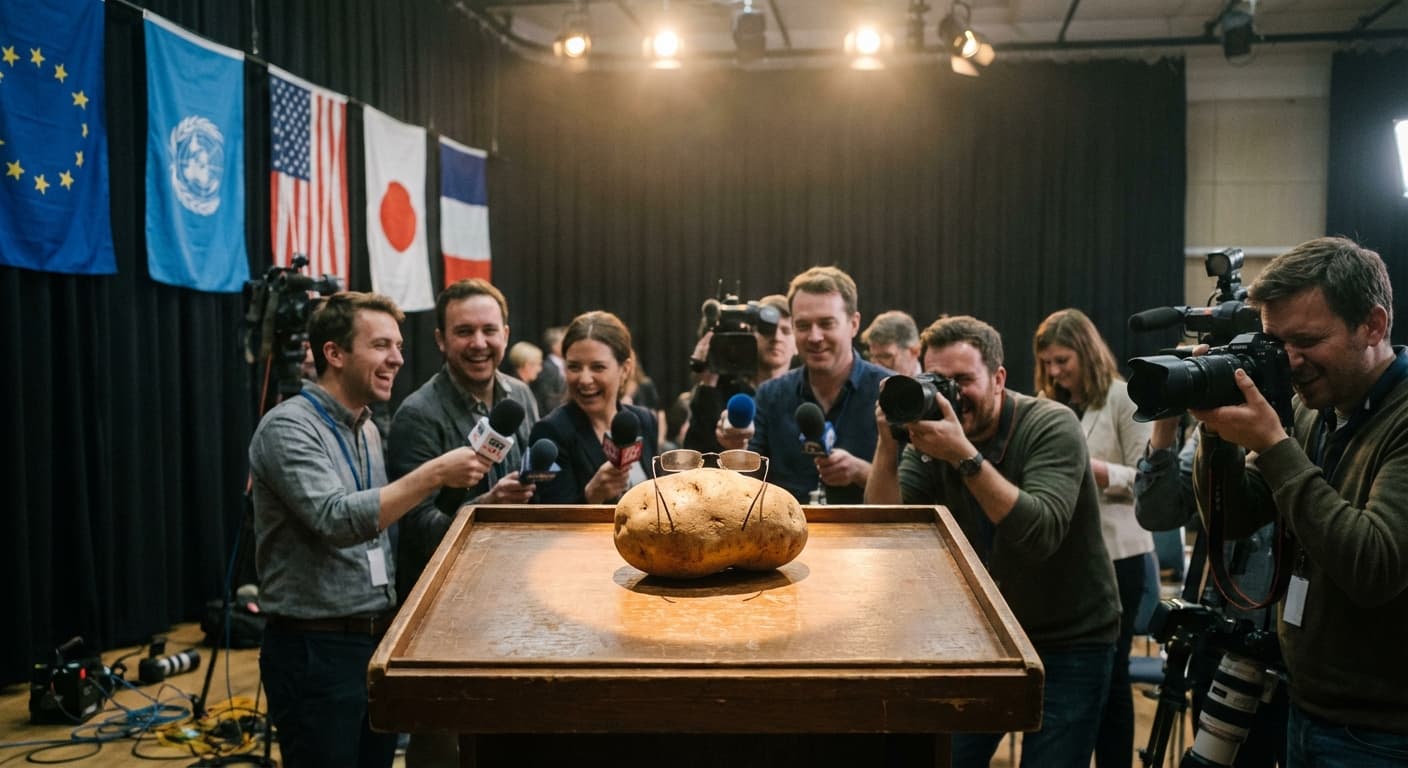
"Potatoes have a unique universality," explained one UN adjunct specialist in vegetable-human relations.
In an unprecedented move praised by botanists worldwide, the United Nations World Food Programme announced its latest strategic initiative following Cindy McCain's decision to step down from her role for health reasons. The organization has revealed plans to appoint a talking potato as her successor, emphasizing the vegetable's inherent diplomatic appeal and surprising eloquence in negotiations.
This groundbreaking decision came after extensive consultations with agricultural leaders and international chefs. "Potatoes have a unique universality," explained one UN adjunct specialist in vegetable-human relations. "They’re featured in nearly every cuisine, making them perfect for the role. Plus, they don't require a salary."
The potato in question, referred to affectionately as "Spud," has shown exceptional promise in preliminary talks, especially in high-starch contexts. Critics, on the other hand, argue that while Spud's ability to remain underground during times of crisis may appeal metaphorically, it might not translate effectively in diplomatic circles.
Meanwhile, speculation is rife about the impact of this appointment on global food security strategies. "If Spud can keep the peace between conflicting carbohydrate interests, I think we might just be on to something," quipped one overly optimistic commentator.
As the world waits with bated breath—and butter—to see how this Ivy League tuber will steer the future of the World Food Programme, one thing remains clear: innovation sometimes sprouts from the most unexpected soils.
Break a Story
Write something reasonable.
Desk Notes: Deadpan Serious · Clearly Satirical · Column
Share or break your own story.