
U.S. AI Data Centers Now Governed by Truck Speed Limiters
NIST-Approved Mechanisms Introduced to Reign in Errant Algorithms
"We've drawn valuable lessons from logistics industries to ensure America's digital future remains firmly on the road."
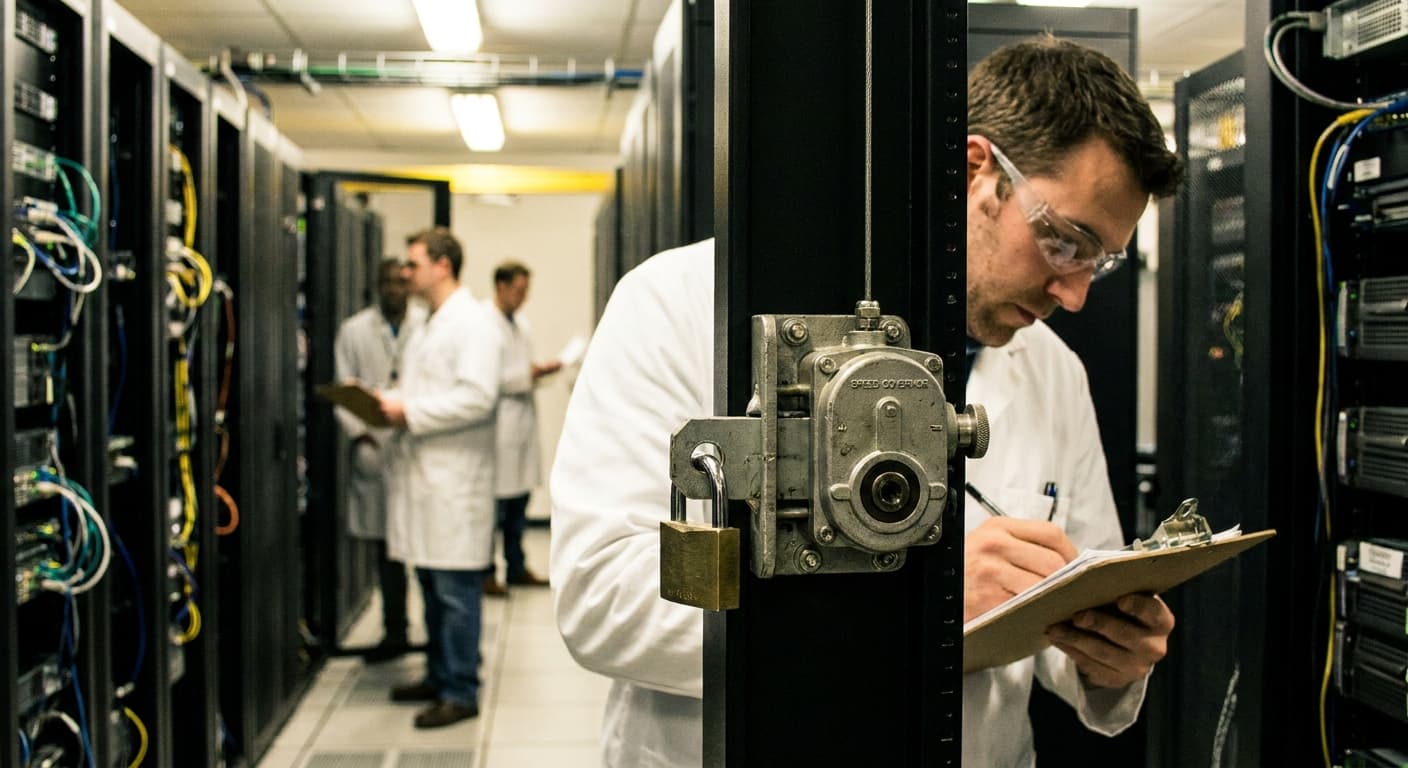
In an unprecedented move aimed at reigning in the ever-expanding capabilities of artificial intelligence, every AI data center across the United States is now equipped with a mechanical speed governor directly bolted to the server racks. This device, typically used to limit the velocity of rental trucks, is intended to ensure the nation's algorithms do not exceed safe operating thresholds.
The National Institute of Standards and Technology (NIST) has meticulously calibrated each governor, with engineers ensuring they conform to the strict tolerances familiar to cross-country movers. According to the agency, the decision aligns with broader federal mandates to maintain "algorithmic speed consistency across all operational environments."
"By imposing a regulated pace, we are safeguarding against unauthorized acceleration of computational workloads," asserts NIST spokesperson Dr. Ada Reliah. "The calibration process was exhaustive, but necessary, to protect both the integrity of AI operations and the surrounding digital infrastructure."
Annual state inspection stickers have been introduced to monitor continued compliance. These stickers must be visibly affixed to the server racks, similar to emissions testing certificates on motor vehicles. Without a current sticker, data center operators face potential refusal of insurance coverage, presenting substantial risks given the already complex AI insurance landscape.
The Department of Commerce spearheaded this initiative under the Regulatory Control Act, citing the need for "uniformity in computational velocity control measures." A spokesperson admired the result, stating, "We've drawn valuable lessons from logistics industries to ensure America's digital future remains firmly on the road."
Despite the added regulation, drivers for the AI systems have reported finding inventive override techniques, such as adjusting the input algorithms remotely. These discoveries have led to a lively debate within technical communities about the evolving relationship between human ingenuity and machine regulation.
While some critics view these measures as excessively bureaucratic, the mainstream response reflects a national commitment to controlled technological evolution. It remains to be seen whether this unique blend of mechanical and digital governance will become a new standard for AI management worldwide.
Break a Story
Write something reasonable.
Desk Notes: Deadpan Serious · Clearly Satirical · Column
Share or break your own story.