U.S. Patriots Embrace Tariffs, Vow to Boycott Maple Syrup They Never Wanted
Americans Pay Extra for Hockey Sticks Just to Prove a Point
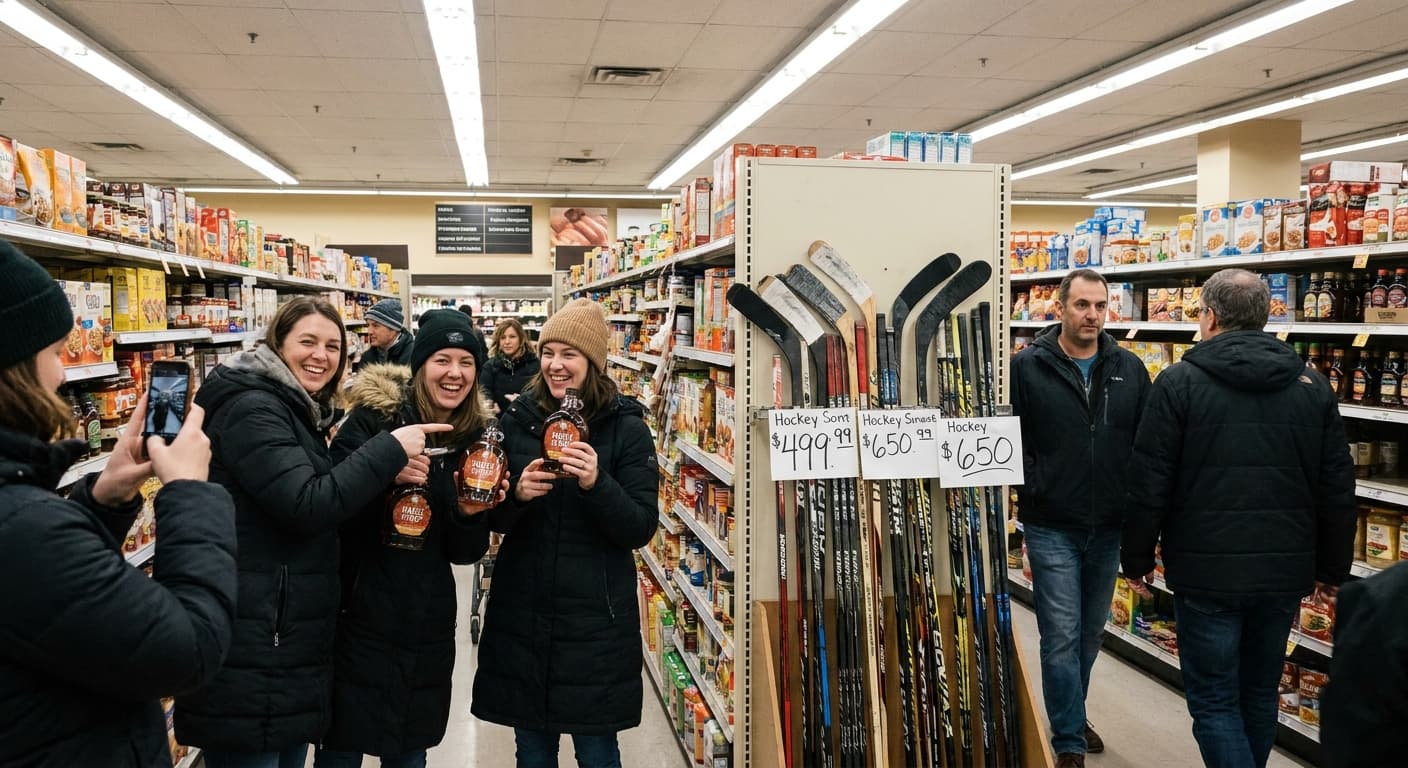
"I bought a new stick out of sheer patriotic duty," said Dale Montgomery.
In a move that has stirred echoes of colonial defiance, American consumers are embracing a new wave of tariffs targeting Canadian goods. Shoppers across the nation are proudly proclaiming their refusal to purchase a single bottle of maple syrup, a product which, according to reliable government data, they had no intention of buying in the first place.
"Well, I never liked maple syrup anyway," declared local resident Bert Jenkins, waving a bottle of high-fructose corn syrup. "This is what freedom tastes like," he added, squirting a generous amount over an American-sized stack of pancakes.
The tariffs have also led to a remarkable increase in the price of hockey sticks, a move analysts say might impact as many as three passionate amateur hockey players across the United States. However, these dedicated individuals are reportedly paying 40% more for their equipment as a declaration of their unwavering support for the tariffs.
"I bought a new stick out of sheer patriotic duty," said Dale Montgomery, one of Ohio’s most fervent hockey enthusiasts. "Sure, the tariff made it more expensive, but that's a small price to pay for exercising economic autonomy over foreign goods I didn't need."
Despite a surge in enthusiasm for this economic self-sacrifice, economists are once again attempting to explain the principles of tariffs to anyone willing to pretend to listen. "You see," they begin for what might be the nine-hundredth time, "it's the importer who pays the tariff..." Yet as these courageous economists deliver their explanations, a collective nod ripples through their audience, each head bobbing with a veneer of understanding concealing the unrelenting fog of confusion.
The U.S. Department of Economic Mysteries heralded this as a new era of trade freedom where American consumers are empowered to pay more if they wish, though international trade experts caution this approach has not been approved in any economics textbook written since the 18th century.
As tariffs alter the trade landscape, only one thing remains certain: the average American remains staunchly determined to boycott items that were, all along, never really part of their shopping list.
Break a Story
Write something reasonable.
Desk Notes: Deadpan Serious · Clearly Satirical · Column
Share or break your own story.