
Vermont Ewe Births Sextuplets; Lambs Quickly Unionize for Woolfare
Surprise Lamb Boom Sparks Labor Movement in Rural Pasture
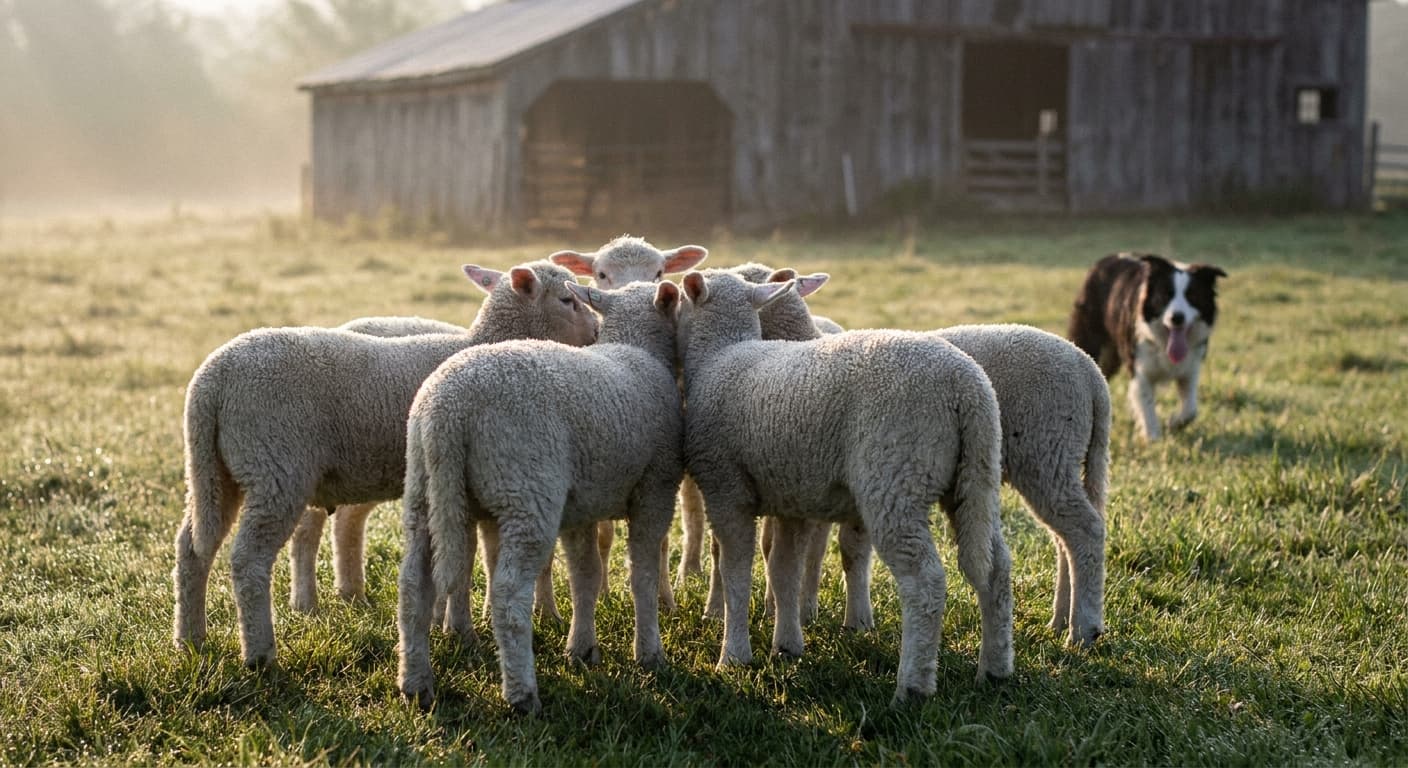
"One minute, they were learning to stand, the next, they were rallying for a strike."
In an unprecedented turn of events at a quaint sheep farm in Vermont, a ewe named Betty has given birth to sextuplets, a rare occurrence in the ovine world. However, what truly astonished owner Harold Fleece was not the number of newborn lambs but their immediate and coordinated unionization effort.
Within hours of their birth, the six lambs — now collectively known as "The Woolpack" — released a statement, allegedly through a spokesperson sheepdog, demanding comprehensive health insurance, paid maternity leave for themselves and their mother, and an end to what they termed "the wool industrial complex."
Fleece, who admits to being more accustomed to the leisurely rhythms of rural life, was baffled by the lambs' swift organizational skills, noting his sheep never even assembled in line for breakfast before. "It all happened so fast," he said. "One minute, they were learning to stand, the next, they were rallying for a strike."
The lambs’ unionizing efforts seem to stem from what they've described as "centuries of wool-extraction oppression" and "substandard bale accommodations." In a shocking twist, the newly formed union, the Society of Unified Lambs (SOUL), announced plans to confront the Big Wool industry with demands that would make a shearer blush.
Local response to the uprising has been mixed. While some supporters have flocked to the farm, praising the lambs’ initiative, others are left wondering how newborns with barely a few hours of experience in the world could mount such a sophisticated labor movement.
In an attempt to negotiate with their prolific offspring, Betty the ewe issued a maternal plea for peace. "I've barely had time to wash the afterbirth off," she reportedly bleated, advocating for unity and familial togetherness over divisive labor strife.
Industry experts are calling this a watershed moment in livestock labor rights, with potential implications rippling through farms nationwide. Meanwhile, the wool industrial complex has yet to respond, though an anonymous source hinted at upcoming negotiations involving hay-based benefits and increased pasture time.
As the sheep farm adjusts to the new reality, it remains to be seen whether "The Woolpack" will inspire a broader movement among livestock across the country. For now, Vermont's pastoral landscape has become an unlikely battleground for one of the most baaaah-rdinary labor revolutions known to mankind.
Break a Story
Write something reasonable.
Desk Notes: Deadpan Serious · Clearly Satirical · Column
Share or break your own story.